SHARE THIS:
Search for Interior Design Mistakes and Tips on How You Can Avoid Them in the web..






Found: 04.06.2026
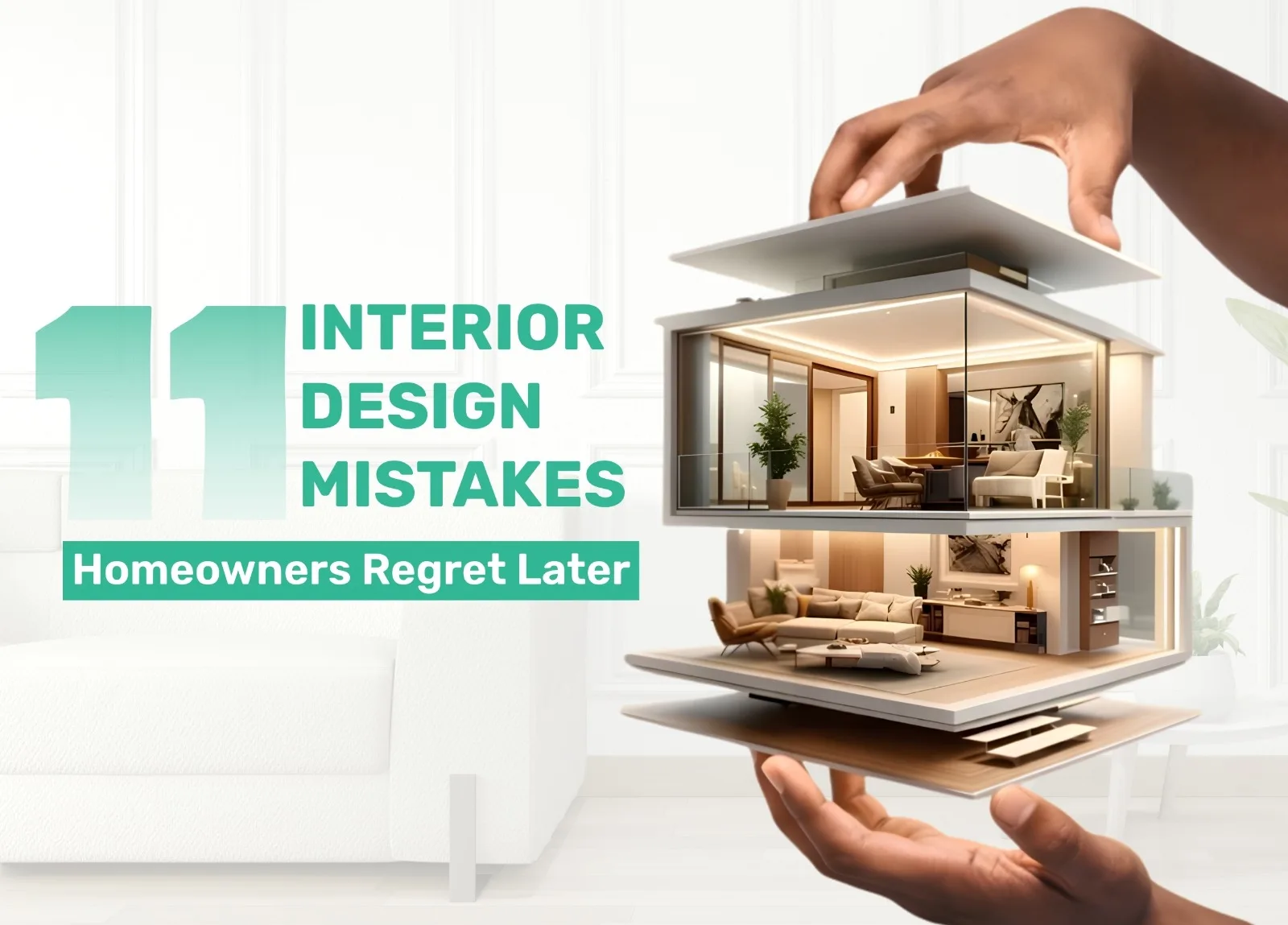
Interior Design Mistakes and Tips on How You Can Avoid Them
One of the most common interior design mistakes is focusing only on appearance while overlooking comfort and functionality. A beautiful space should not only look good but also make everyday living easier and more enjoyable. Oversized furniture and too many decorative items can make a living room feel cramped and reduce usable space. Likewise, bedrooms with poor lighting or overly dark color palettes may not provide the warm and relaxing atmosphere needed for comfort. In kitchens, inadequate task lighting can make cooking and meal preparation less efficient. A successful interior design balances aesthetics with practicality, ensuring that every space is both stylish and functional.
Is your home truly designed for the way you live? Let’s uncover the most common interior design mistakes.
Costly Interior Design Mistakes You Shouldn’t Ignore
TOP INTERIOR INDIA highlights the most common interior design mistakes homeowners make and shares what to avoid while designing or renovating a home.
1. Ignoring Proper Space Planning
One mistake many homeowners regret after shifting into a new house is realizing there is no comfortable walking space left. Large sofas placed too close to the TV unit, dining tables blocking movement, or beds covering most of the bedroom make daily life frustrating. Even expensive interiors start feeling uncomfortable when every corner feels packed.
The Design Fix:
Interior designers usually leave enough open space between furniture pieces so movement feels natural. Instead of filling every wall with furniture, smart layouts focus on comfort, easy circulation, and practical use of space
2. Choosing Furniture Without Measuring
A very common problem people face is buying furniture that looks perfect in the showroom but feels oversized once delivered home. Many homeowners later realize their sofa blocks balcony access, the dining chairs hit the wall while pulling out, or the wardrobe doors cannot open properly because the bed is too close.
The Design Fix:
Always measure the room before purchasing furniture. Experts recommend checking furniture dimensions along with walking space, window openings, and door clearance to avoid space-related problems later.
3. Poor Lighting Design
Many modern homes look attractive during the daytime but become uncomfortable at night because of bad lighting choices. Some living rooms feel too harsh with bright white LED lights, while Modulor kitchens become difficult to use because the counter areas remain dark. Bedrooms with spotlights directly above the bed also make the space feel less relaxing.
The Design Fix:
Interior designers prefer layered lighting instead of using only one ceiling light. Warm lighting for bedrooms, task lights for kitchens, and soft ambient lighting for living spaces help create a balanced and comfortable atmosphere.
Conclusion
Most interior mistakes do not look serious in the beginning. The problems usually start after a few months when the house begins feeling uncomfortable to use every day. The sofa looks too big for the living room, storage starts running out, rooms feel darker than expected, or the layout makes simple movement difficult. These are the small things homeowners often ignore during planning but regret later.
A home should feel easy to live in, not just good in photos. Proper lighting, comfortable furniture, enough storage, and practical layouts make a much bigger difference than blindly following trends. Homes that are planned around real daily life usually stay functional, comfortable, and visually appealing for a much longer time.
To Know More: https://topinteriorsindia.com/
read more..
Search for Interior Design Mistakes and Tips on How You Can Avoid Them in the web..
Latest links
Website Info
Category: TOP INTERIOR INDIAFound: 04.06.2026
Rate!!
Please write a comment: