SHARE THIS:
Search for Soursop Tree in Sydney – Complete Guide to Growing Soursop (Graviola) Trees at Home in the web..
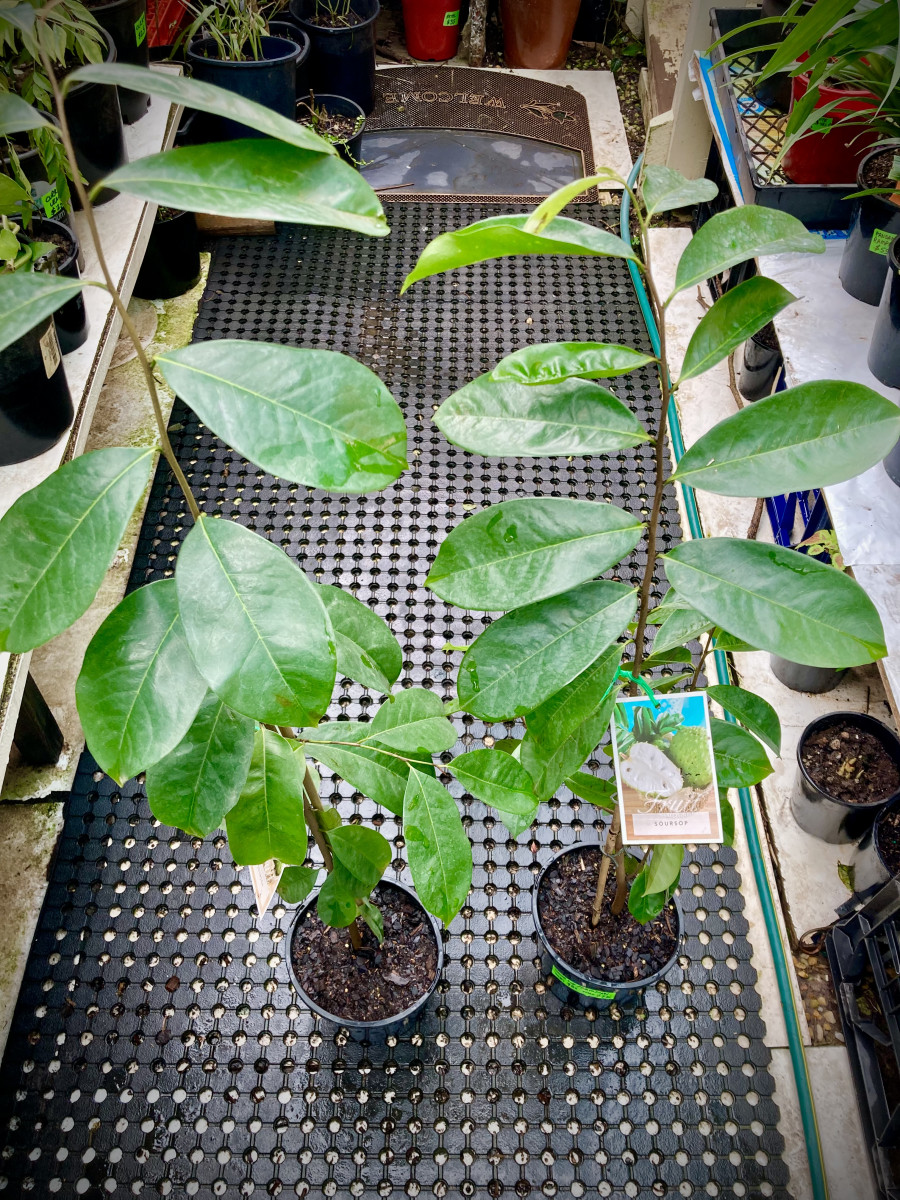















Soursop Tree in Sydney – Complete Guide to Growing Soursop (Graviola) Trees at Home
The Soursop Tree (Annona muricata), also known as Graviola, Guanabana, or Brazilian Paw Paw, is a rare tropical fruit tree prized for its large green fruit, creamy white flesh, and unique sweet-tangy flavour. Highly regarded throughout tropical regions, Soursop is popular for fresh eating, juices, smoothies, desserts, and traditional culinary uses.
For Sydney gardeners looking to grow something truly exotic, the Soursop Tree is an exciting addition to a tropical fruit collection. When planted in a warm, frost-free, sheltered location with plenty of sunlight, this evergreen tree can thrive and reward growers with delicious homegrown fruit.
Its glossy green leaves, fragrant flowers, and distinctive spiny fruit make the Soursop Tree both an attractive ornamental feature and a productive fruit tree for suitable Sydney microclimates.
What is a Soursop Tree?
The Soursop Tree (Annona muricata) is a tropical evergreen fruit tree belonging to the Annonaceae family. Native to the Caribbean, Central America, and South America, it produces large heart-shaped fruits covered with soft green spines.
Inside, the fruit contains soft, creamy white flesh with a refreshing tropical flavour often described as a blend of pineapple, strawberry, banana, mango, and citrus.
Key Features
Botanical Name: Annona muricata
Common Names: Soursop, Graviola, Guanabana
Large tropical fruit
Sweet and tangy flavour
Creamy white flesh
Evergreen tree
Rare collector's fruit
Excellent ornamental value
Suitable for warm Sydney gardens
Why Grow a Soursop Tree in Sydney?
Although Soursop is a tropical species, it can be successfully grown in Sydney's warmer suburbs with proper care and frost protection during winter.
Gardeners who enjoy rare fruit trees appreciate Soursop for its unique flavour, attractive appearance, and impressive fruit.
Benefits of Growing Soursop
Produces rare tropical fruit
Unique sweet-tangy flavour
Attractive evergreen foliage
Beautiful fragrant flowers
Excellent collector's tree
Long productive lifespan
Suitable for large containers when young
Adds tropical beauty to gardens
Growing your own Soursop allows you to enjoy fresh fruit that is rarely available in Australian supermarkets.
Tree Appearance
The Soursop Tree develops into a small to medium-sized evergreen tree with an attractive rounded canopy.
Tree Features
Glossy dark green leaves
Dense evergreen canopy
Upright growth habit
Fragrant yellow-green flowers
Large green spiny fruit
Attractive tropical appearance
Its lush foliage creates a beautiful tropical atmosphere throughout the year.
Fruit Characteristics
Soursop is one of the most distinctive tropical fruits in the world.
Fruit Features
Large heart-shaped fruit
Soft green spiny skin
Creamy white flesh
Sweet tropical flavour
Refreshing tangy notes
Juicy texture
Black seeds (not edible)
The fruit is highly aromatic and best enjoyed when fully ripe.
Best Growing Conditions in Sydney
Soursop performs best in Sydney's warmest, frost-free areas with protection from cold winds.
Sunlight
For healthy growth:
Full sun
At least 6–8 hours of direct sunlight daily
Warm sheltered position
Protection from cold winter winds
Maximum sunlight encourages flowering and fruit production.
Soil Requirements
Soursop grows best in:
Well-drained soil
Fertile loamy soil
Sandy loam
Organic-rich growing conditions
Slightly acidic soil (pH 5.5–6.5)
Good drainage is essential for healthy roots.
How to Plant a Soursop Tree
Proper planting encourages vigorous establishment.
Planting Guide
Select a warm, sunny location.
Dig a hole twice the width of the root ball.
Improve the soil with compost.
Plant at the same depth as the nursery container.
Backfill carefully.
Water thoroughly.
Apply organic mulch around the base.
Keep mulch away from the trunk to reduce the risk of stem rot.
Growing Soursop in Pots
Young Soursop trees perform well in large containers.
Pot Growing Tips
Use a large container with excellent drainage
Fill with premium fruit tree potting mix
Position in full sun
Protect from frost
Water consistently
Repot as the tree grows
Container growing is ideal for gardeners who need to move plants into sheltered positions during colder weather.
Watering Requirements
Young trees require regular watering while establishing.
Watering Guide
Water deeply once or twice weekly
Keep soil evenly moist
Increase watering during hot weather
Reduce watering during winter
Avoid waterlogged conditions, which can damage the roots.
Fertilising Soursop Trees
Regular feeding promotes healthy growth and fruit production.
Best Fertilisers
Apply:
Organic compost
Well-rotted manure
Slow-release fruit tree fertiliser
Organic mulch
Feed during:
Spring
Summer
Early autumn
Balanced nutrition encourages vigorous growth and better fruit quality.
Flowering and Fruiting
Soursop trees produce unusual fragrant flowers that develop directly on branches and trunks.
Flower Characteristics
Yellow-green flowers
Mild fragrance
Attractive tropical blooms
Pollinator friendly
Healthy flowering results in large, premium-quality fruit.
Fruiting Season
In suitable growing conditions, Soursop fruits from late summer to autumn, although timing can vary depending on climate and tree maturity.
Grafted trees generally produce fruit earlier than seedling-grown plants.
Harvesting Soursop
Fruit is ready when:
Skin changes to a lighter green
Softens slightly when gently pressed
Develops a sweet tropical aroma
Spines become more widely spaced
Allow fruit to ripen naturally indoors after harvesting for the best flavour.
Culinary Uses
Soursop is highly versatile.
Popular Uses
Fresh eating
Smoothies
Fresh juice
Ice cream
Sorbet
Milkshakes
Tropical desserts
Fruit salads
Jams
Its creamy flesh is widely used in refreshing tropical beverages and desserts.
Health Benefits
Soursop is naturally rich in vitamins and antioxidants.
Nutritional Benefits
High in Vitamin C
Rich in dietary fibre
Contains antioxidants
Source of potassium
Supports immune health
Naturally hydrating
Soursop can be part of a balanced diet, but it should not be considered a treatment for medical conditions despite some claims found online.
Pruning and Maintenance
Regular care helps maintain a healthy and productive tree.
Pruning Tips
Remove dead or damaged branches
Shape lightly after harvesting
Improve airflow
Maintain a manageable size
Minimal annual pruning encourages healthy growth.
Common Growing Challenges
Frost
Young trees are sensitive to frost and should be protected during Sydney's coldest winter nights.
Poor Drainage
Ensure excellent drainage to prevent root diseases.
Strong Winds
Plant in a sheltered location to protect flowers and developing fruit.
Cold Temperatures
Growth slows during winter but resumes when warmer weather returns.
Landscaping Benefits
Soursop combines ornamental beauty with rare fruit production.
Ideal Uses
Tropical gardens
Backyard orchards
Edible landscapes
Collector's gardens
Large feature trees
Rare fruit collections
Its glossy evergreen canopy and unusual fruit create an impressive tropical feature.
Why Buy Soursop Trees from Sai Nursery Sydney?
At Sai Nursery Sydney, we offer healthy, premium-quality Soursop (Graviola) Trees carefully selected for Australian growing conditions. Our vigorous plants establish well and, with proper care, reward gardeners with lush tropical growth and delicious exotic fruit.
Whether you're creating a tropical fruit orchard or adding a rare collector's tree to your garden, the Soursop Tree is a unique and rewarding choice.
Conclusion
The Soursop Tree (Annona muricata) is one of the most exciting tropical fruit trees for Sydney gardeners seeking something unique. With its creamy, sweet-tangy fruit, glossy evergreen foliage, fragrant flowers, and striking appearance, it brings both beauty and productivity to warm, protected gardens.
read more..
Search for Soursop Tree in Sydney – Complete Guide to Growing Soursop (Graviola) Trees at Home in the web..
Latest links