SHARE THIS:
Search for Reliable API 5L Steel Pipe Supplier for Global Oil & Gas Projects in the web..
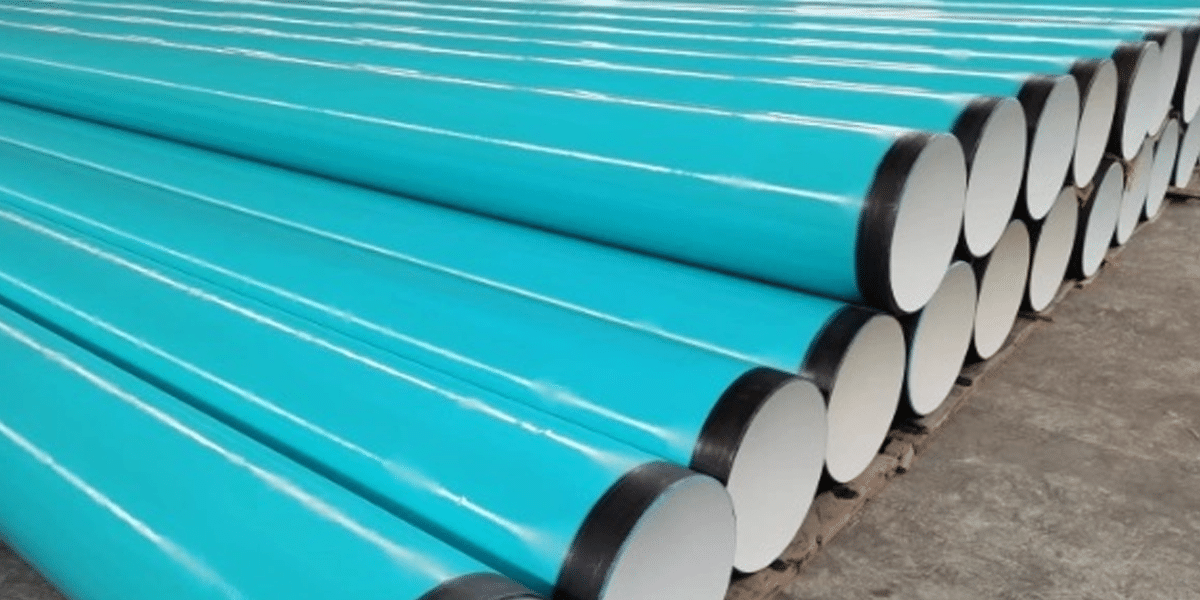

Reliable API 5L Steel Pipe Supplier for Global Oil & Gas Projects
In the global energy infrastructure, the safety and efficiency of midstream transport depend entirely on the integrity of the line pipe. For Oil & Gas transmission, where fluids are moved under extreme pressure across vast distances and through harsh terrains, there is no room for compromise.
Why Technical Compliance is Non-Negotiable?
Oil and gas pipelines face two primary enemies: Internal Pressure and External Corrosion. To mitigate these, the industry relies on the API 5L specification.
However, for high-stakes projects, the difference between PSL1 (Product Specification Level 1) and PSL2 is critical. PSL2 pipes are mandatory for most modern energy projects due to their more stringent requirements on:
Chemical Composition: Tighter limits on carbon and sulfur to ensure weldability.
Fracture Toughness: Mandatory CVN (Charpy V-Notch) testing to prevent brittle failure in volatile climates.
Dimensional Tolerances: Exceptional accuracy in wall thickness and diameter to ensure seamless on-site welding.
At JS FITTINGS, our production lines for Seamless and LSAW (Longitudinal Submerged Arc Welded) pipes are optimized to meet these PSL2 standards, ensuring that every joint can withstand the cyclic loading and environmental stress of a 30-year project lifespan.
Technical Spotlight: Corrosion Protection (3LPE & FBE)
Steel is strong, but the environment is aggressive. For pipelines buried in saline desert soils or subsea environments, external coatings are essential. We specialize in:
3LPE (Three-Layer Polyethylene): The gold standard for long-distance buried pipelines, offering superior mechanical protection and chemical resistance.
FBE (Fusion Bonded Epoxy): Excellent for high-temperature service and cathodic disbondment resistance.
read more..
Search for Reliable API 5L Steel Pipe Supplier for Global Oil & Gas Projects in the web..
Latest links